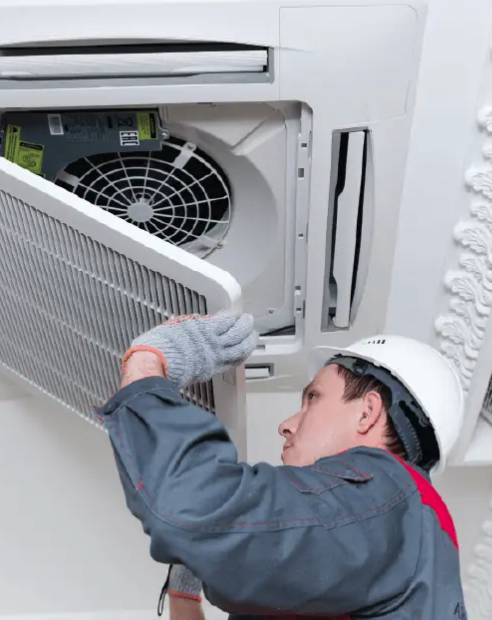
Proper maintenance and correct design of kitchen hoods are essential to the efficient and safe operation of any commercial kitchen. This article explores the importance of kitchen hood maintenance and how a commercial kitchen hood drawing can guarantee an effective ventilation system.
What is Kitchen Hood Maintenance?
Kitchen hood maintenance refers to the regular maintenance and care required to ensure that the kitchen hood continues to function properly. This includes cleaning the filters, inspecting the ducts and checking the exhaust system to ensure there are no blockages or grease build-up.
Benefits of Regular Maintenance
Keeping the kitchen hood in good condition is crucial to avoid fire risks, ensure effective ventilation and extend the useful life of the equipment. Regular cleaning helps remove accumulated grease, which is flammable and can cause fires. Additionally, a well-maintained system improves equipment efficiency and reduces repair costs and energy consumption.
What does hood maintenance include?
Hood maintenance generally includes:
- Cleaning filters: Remove and clean filters to ensure adequate ventilation and reduce the risk of fire.
- Duct inspection: Check the ducts to ensure there are no blockages or grease build-up.
- Checking the exhaust system: Ensure that the exhaust system is working correctly and that all components are in good condition.
What is a commercial kitchen hood drawing?
One commercial kitchen hood drawing is a technical drawing that illustrates the layout and installation of a commercial kitchen hood. This project details the position of the hood, exhaust ducts and other components of the ventilation system, helping to ensure that the system is efficient and complies with safety standards.
Benefits of a Well-Elaborated Project
A well-designed commercial kitchen hood drawing offers several benefits:
Ventilation efficiency: Proper design ensures that the hood efficiently captures and removes smoke, steam and grease particles.
Safety: Ensuring the ventilation system is correctly installed and positioned helps minimize the risk of fires and other safety issues.
Regulatory Compliance: A detailed technical drawing helps ensure that the system complies with local and national health and safety regulations.
What to include in a commercial hood design?
A commercial kitchen hood drawing should include:
- Hood layout: Position and dimensions of the hood in relation to the cooking equipment.
- Exhaust ducts: Route and dimensions of the exhaust ducts, including any connection to the ventilation system.
- Filter system: Location and type of filters used in the hood.
- Other components: Details about other components, such as fans and control systems.
Ensuring effectiveness and safety in commercial kitchens
Regular kitchen hood maintenance and a well-planned commercial kitchen hood drawing are essential to ensuring that a commercial kitchen’s ventilation system operates efficiently and safely.
Proper maintenance prevents problems and improves efficiency, while detailed design ensures the exhaust system meets all ventilation and safety needs. Investing time and resources in both areas helps create a safe, comfortable and efficient work environment, contributing to the success of the commercial kitchen.